
Understanding Leukemia: A Clear Overview
Leukemia is a broad group of cancers involving blood cells. Understanding the term helps explain why symptoms, investigations and treatment discussions differ from one person to another.
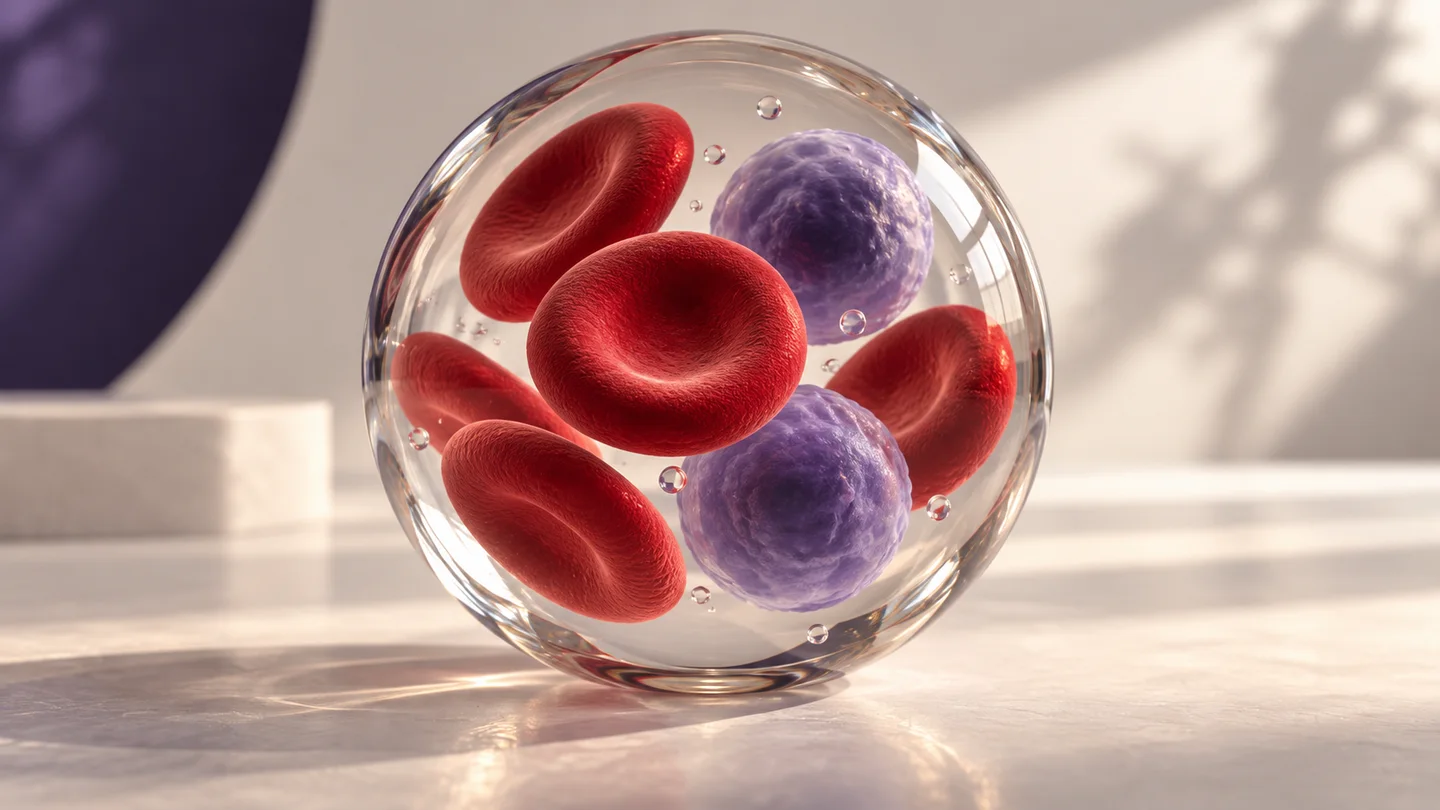
Different forms of leukemia
The National Cancer Institute distinguishes leukemia according to the affected cell type and whether the disease develops quickly or slowly. Familiar categories include acute lymphoblastic, acute myeloid, chronic lymphocytic and chronic myeloid leukemia. These names describe different diseases rather than a single condition with one predictable course. [1]
A general article can explain terminology, but it cannot determine an individual's disease type or prognosis.
Symptoms need context
Possible symptoms include fatigue, infections, unusual bruising or bleeding. Some people notice oral changes such as bleeding gums. These features can occur for other reasons, so they should be assessed in context rather than treated as a diagnostic checklist. [2]
If a symptom is persistent, unusual or concerning, discuss it with a qualified healthcare professional. Advice should be based on the person's circumstances and the clinical assessment.
Diagnosis uses complementary evidence
Investigations may include blood tests, examination of cell morphology, marrow assessment, immunophenotyping and genetic tests. Which tests are appropriate depends on the suspected condition and the information already available. [3]
An image is therefore one part of a wider process. A label produced from a selected image does not independently establish a person's diagnosis.
Treatment is individualized
The Canadian Cancer Society provides disease-specific treatment information, including chemotherapy, stem cell transplantation and targeted therapies. A treatment overview should direct readers to those resources rather than suggest a universal plan. [4]
Why CellSight shares this context
CellSight's working first version supports blood-cell image research, batch analysis and evidence-linked AI assistance. Clear educational context helps readers understand why image research matters while keeping its role separate from patient care.
This article is general information, not medical advice. CellSight is not for diagnosis or clinical decision-making.
References
- 1. Leukemia—Patient Version. National Cancer Institute. Undated current page. Accessed 2026-09-14.
- 2. Symptoms of leukemia. Canadian Cancer Society. Undated current page. Accessed 2026-09-14.
- 3. Diagnosis of leukemia. Canadian Cancer Society. Undated current page. Accessed 2026-09-14.
- 4. Leukemia. Canadian Cancer Society. Undated current page. Accessed 2026-09-14.
Related Insights

Leukemia in Canada: Understanding the Numbers
Read Canadian leukemia statistics with context: distinguish new cases, deaths and prevalence, and understand the limits of annual projected estimates.
By CellSight Editorial Team · September 13, 2026 · 2 min read
Read article
Oral Signs of Leukemia: Awareness and Assessment
Learn why unexplained oral changes deserve professional assessment, how symptoms can overlap, and why dental and oncology care should be coordinated.
By CellSight Editorial Team · September 13, 2026 · 2 min read
Read article
Designing traceable AI image workflows
How identifiers, metadata and timestamps turn a microscopic image workflow into something that can be reviewed later.
Read article