
Designing traceable AI image workflows
A traceable workflow is one where every step can be reconnected to the image it started from.
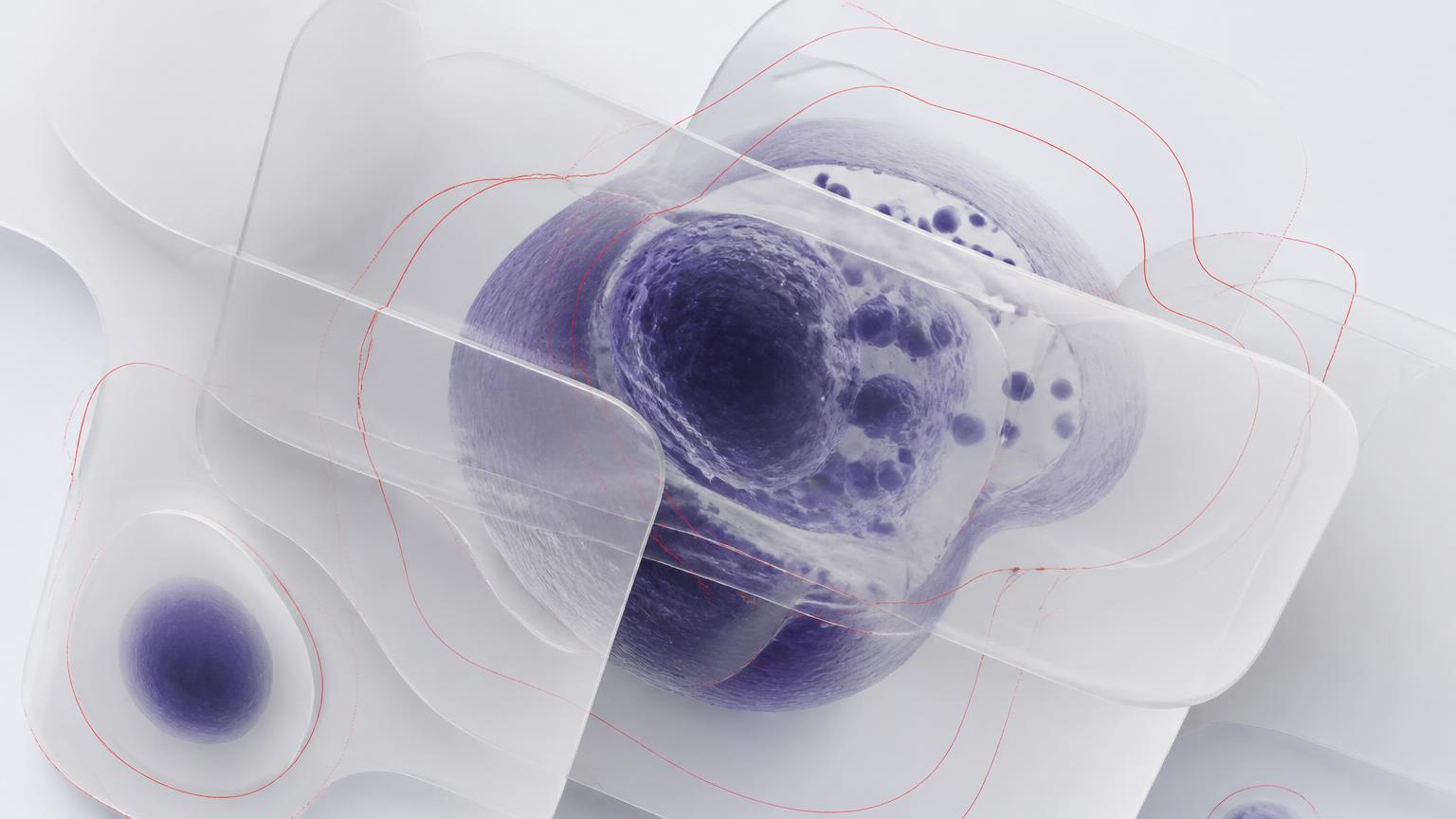
Start at intake
The most useful traceability work happens before any analysis. When an image enters a workflow, the properties that describe it — filename, format, dimensions, size and the moment it arrived — are still unambiguous.
Recording those properties at intake, together with a trace identifier, means later steps never have to guess which image they refer to.
Carry the identifier forward
A trace identifier is only useful if it survives the workflow. Technical checks, review notes and exports should all carry it, so a result can always be walked back to its origin.
- Attach the identifier at intake, not at output
- Include it in anything exported from the workflow
- Keep timestamps alongside it so ordering is recoverable
Design for review, not just for output
Research workflows are read as often as they are run. Interfaces that display metadata and trace information alongside the image make review a normal part of the work rather than a separate reconstruction exercise.
Related Insights
Why evidence-linked AI matters in research platforms
An assistant is only as useful as the sources behind it. Linking answers to records changes how they can be used.
Read article
From individual images to structured batch analysis
What changes when a workflow moves from one image at a time to structured records, distributions and exports.
Read article
AI and the Future of Leukemia Research
Explore how blood-cell imaging, AI and connected evidence can support leukemia research, and why meaningful evaluation extends beyond model accuracy.
By CellSight Editorial Team · September 13, 2026 · 2 min read
Read article